 Trusted Pest Experts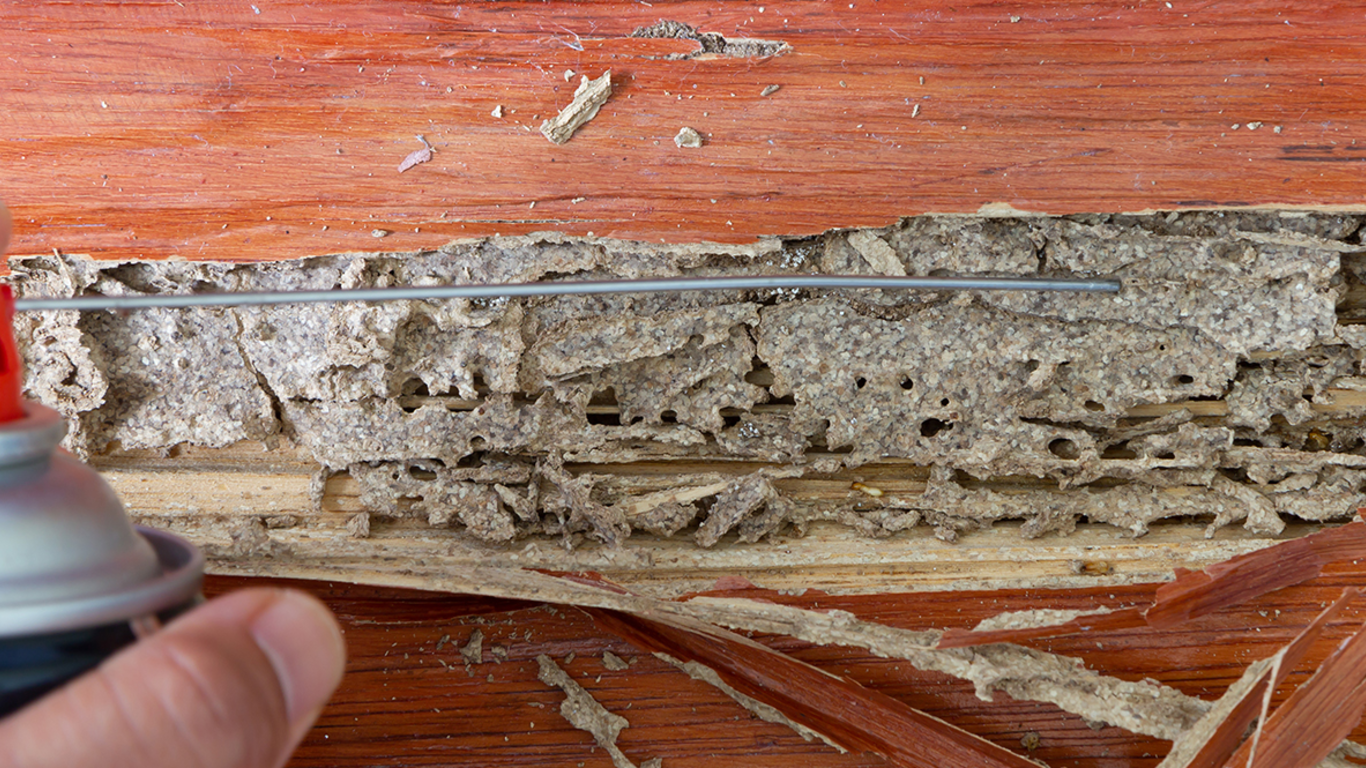
Termites are one of the most destructive pests for homeowners, capable of causing significant structural damage if left unchecked. Understanding termite behavior and implementing preventive measures is essential to protect your home and investment.
Early detection is key. Homeowners should regularly inspect wooden structures, foundations, and areas with moisture for signs of termite activity. Look for mud tubes, discarded wings, and hollow-sounding wood.
Preventing termite damage requires a combination of monitoring, moisture control, and strategic barriers to ensure your home remains safe and structurally sound.
Top Tips to Prevent Termite Damage
- Reduce Moisture: Repair leaks in roofs, pipes, and faucets, and ensure proper drainage around your foundation.
- Remove Wood-to-Soil Contact: Keep firewood, lumber, and debris away from the foundation of your home.
- Seal Cracks and Crevices: Inspect the foundation and walls, sealing any gaps or openings that could allow termites entry.
- Use Treated Wood: For construction or renovations, opt for termite-resistant or pressure-treated wood.
- Maintain Landscaping: Avoid placing mulch directly against the home and keep plants trimmed to prevent easy access for termites.
- Regular Inspections: Schedule professional termite inspections annually or biannually, especially in high-risk areas.
Safe Termite Control Measures
If termites are detected, it’s crucial to act quickly using safe and effective control methods. This can include localized treatments, baiting systems, and eco-friendly termiticides that minimize harm to your family and pets while eliminating infestations.
- Apply termite baits strategically around the property perimeter.
- Use non-toxic termiticides or natural deterrents for spot treatments.
- Engage professional pest control services for persistent or extensive infestations.
By combining preventive strategies, vigilant monitoring, and safe treatment options, homeowners can effectively safeguard their property from termite damage. Consistent care and proactive measures are the best defense against these destructive pests.