 Trusted Pest Experts
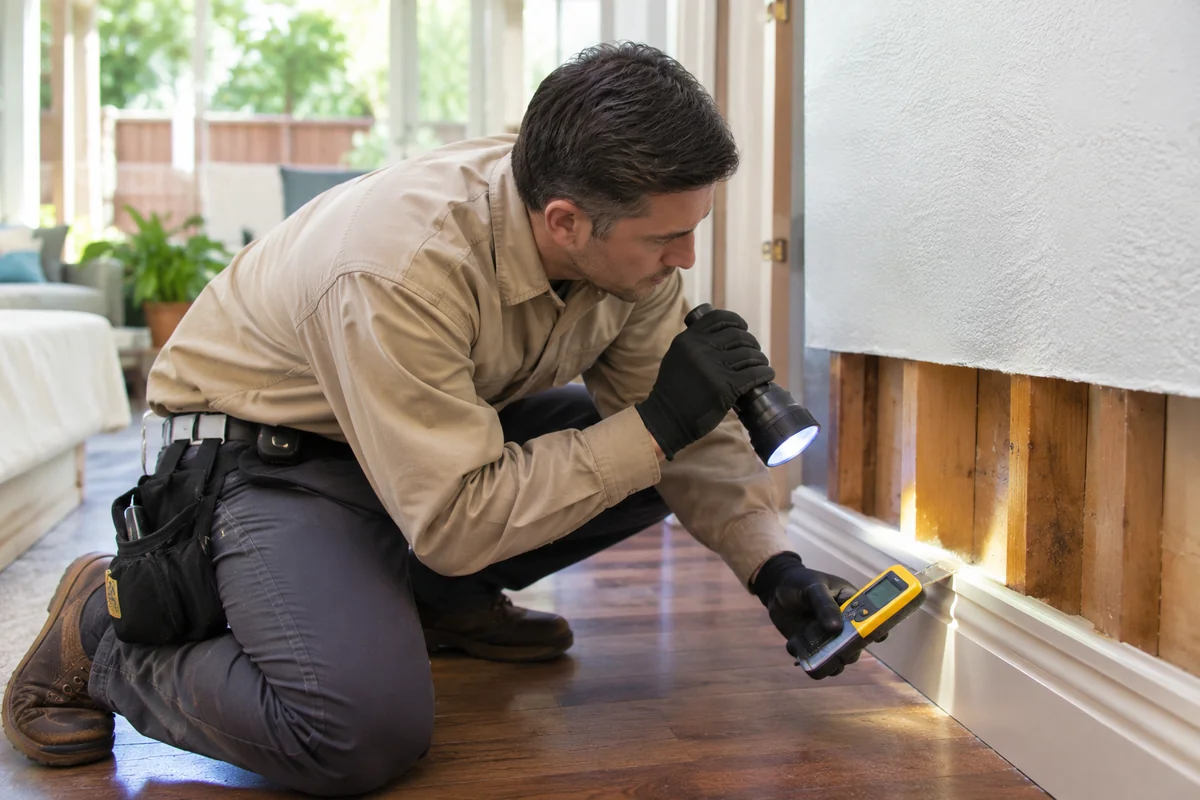
Understand when a pest inspection may be useful for Los Angeles homeowners, buyers, landlords, and residents noticing recurring activity. Read more practical guidance in our Los Angeles pest control blog.
An inspection starts with evidence
A pest inspection can help identify insects or rodents, locate likely entry points, and distinguish active problems from older damage. In Los Angeles, building age, landscaping, moisture, and shared walls can all affect where pests appear. The right inspection scope depends on the concern, rather than a fixed schedule for every property.
A pest inspection is useful when you need to distinguish an isolated sighting from an active problem, assess a newly purchased property, or understand recurring damage. In Los Angeles, different building types create different inspection priorities: older homes may have accessible crawl spaces, hillside properties may have complex exterior interfaces, and apartments can have shared plumbing routes. A useful inspection begins with the history of sightings and the conditions of the specific property.
An inspection is most valuable when it answers a specific question: what pest is present, where is it entering or nesting, and what conditions support it? Homeowners may schedule one after discovering droppings, unexplained damage, repeated insect trails, or noises in concealed spaces. Buyers and sellers may also need property-specific evaluations, especially for wood-destroying organisms. The scope should be agreed upon in advance because a general pest visit is not necessarily the same as a formal termite or real-estate inspection.
An inspection is particularly worthwhile when evidence recurs, when the pest species is uncertain, or when activity involves inaccessible spaces such as attics, wall cavities, and crawlspaces. Photographs, dated observations, and notes about recent leaks or construction work help an inspector focus on relevant areas. A thorough assessment should also consider how the building is used and maintained rather than treating every sighting as the same problem. Our pest control blog covers several common warning signs in Los Angeles homes.
Schedule promptly when warning signs appear
New droppings, unexplained gnaw marks, mud tubes, swarming insects, persistent ant trails, or repeated cockroach sightings deserve attention. Photograph signs when safe and note their locations. Avoid disturbing suspected termite evidence or applying random products before the inspector can assess the site.
Certain findings should prompt faster attention: repeated rodent droppings, active insects around sleeping areas, suspected termite activity, unexplained wood damage, or recurring pests despite cleaning and sealing. Do not assume that every damaged board is termite damage or that every nighttime noise is a rodent. Photograph what you see, note the location and date, and avoid disturbing evidence before the inspector can assess it.
Photographs, dates, and the locations of observations can help an inspector focus on likely activity zones. Preserve a suspected insect specimen safely when feasible, and avoid extensive cleaning of evidence immediately before the visit unless there is a sanitation concern. Share relevant maintenance history, including leaks, previous pest treatments, roof repairs, and recent landscaping work. The goal is not to diagnose the issue yourself but to provide a reliable timeline.
For a general overview of prevention-focused pest management, consult the U.S. Environmental Protection Agency.
Before an appointment, ask what spaces will be inspected, whether access to storage areas is needed, and how findings will be documented. A useful report separates confirmed observations from possible causes, identifies recommended repairs or sanitation measures, and explains whether immediate treatment is justified. If pesticides are proposed, ask about the product, intended application area, precautions, and follow-up. The U.S. Environmental Protection Agency offers information about choosing pest-management approaches and using products according to their labels.
Consider inspections during property changes
A move, renovation, roof repair, plumbing leak, or purchase can reveal previously hidden conditions. Real-estate transactions may call for a separate wood-destroying organism inspection depending on the agreement and lender requirements. Ask specifically what is included, because a general pest visit and a formal termite report are not interchangeable.
For a routine inspection, prepare a brief list of concerns and make accessible areas available where it is safe to do so. Identify past leaks, recent repairs, pest treatments, and rooms where activity has occurred. If you rent, follow the property's reporting process and coordinate access with management. Ask in advance which spaces will be inspected, whether specialized termite inspection is included, and whether any preparation is required.
A professional inspection may cover accessible kitchens, bathrooms, garages, attic entries, exterior foundation lines, vegetation contact, and utility penetrations. Access limitations should be documented rather than ignored. Ask which areas were actually inspected and which were inaccessible. Findings should distinguish confirmed pest evidence from conditions that merely increase risk. For structural damage or moisture intrusion, separate evaluation by the appropriate building professional may also be necessary.
After the inspection, keep the report and any monitoring records so changes can be evaluated objectively. Reinspection may be appropriate after exclusion repairs, moisture correction, or treatment, particularly when the original problem was concealed or recurring. For rental or multi-unit properties, clarify who is responsible for access and building-level repairs. If you need to discuss the signs you are seeing, contact PC Los Angeles at (888) 605-9733 or info@pclosangeles.com.
What a useful inspection should cover
Expect questions about sightings and history, followed by checks of accessible problem areas such as kitchens, attics, garages, foundations, and exterior penetrations. The professional should explain observed evidence, limitations on access, and practical next steps. Ask for findings in writing when the inspection will guide repairs or treatment decisions.
A professional report or verbal assessment should separate observed evidence from suspected causes. Ask what species or pest group was identified, what conditions support activity, what can be corrected without pesticides, and how follow-up success will be measured. Some concerns may require a licensed specialist or a separate wood-destroying-organism inspection. The U.S. Environmental Protection Agency outlines integrated pest management principles that can help homeowners evaluate a proposed plan.
Inspection recommendations should explain whether the priority is sanitation, exclusion, moisture repair, monitoring, or treatment. When pesticides are proposed, ask what target pest and site are involved, and review the label and safety information. The U.S. Environmental Protection Agency provides general guidance on integrated pest management. You can also read our pest control blog to understand common warning signs before scheduling a visit.
Choose follow-up based on the findings
Some situations require sanitation, moisture repair, or exclusion rather than pesticide application. Others call for species-specific treatment and monitoring. A clear plan should identify the target pest, expected follow-up, safety instructions, and any conditions the property owner needs to correct.
There is no universal inspection schedule that fits every building. A home with repeated moisture problems, active sightings, or previous infestations may need closer follow-up than one with no warning signs. If you are unsure whether an inspection is warranted, call (888) 605-9733 or email info@pclosangeles.com with a description of the concern. Our pest control blog offers additional guides to common Los Angeles pests and prevention practices.
After receiving the report, request a practical order of work and a realistic monitoring or follow-up schedule. Reinspection can be useful after exclusion repairs, treatment, or recurring activity. Keep records of observations and service recommendations so future changes can be evaluated. If you would like to discuss a Los Angeles pest inspection, call (888) 605-9733 or email info@pclosangeles.com. An accurate inspection should help you make informed decisions, not pressure you into unnecessary services.
Browse our pest control blog for more information about pest warning signs. If you would like to discuss a possible inspection, contact PC Los Angeles at (888) 605-9733.
Discuss Your Pest Concern With PC Los Angeles
For questions about pest activity at your home or property, call (888) 605-9733 or email info@pclosangeles.com. You can also explore our Los Angeles pest control articles for additional prevention guidance.
If pest activity continues or you are uncertain what you have found, seek an inspection and a pest-specific management plan. Prevention and appropriate follow-up are often as important as the initial response.