 Trusted Pest Experts
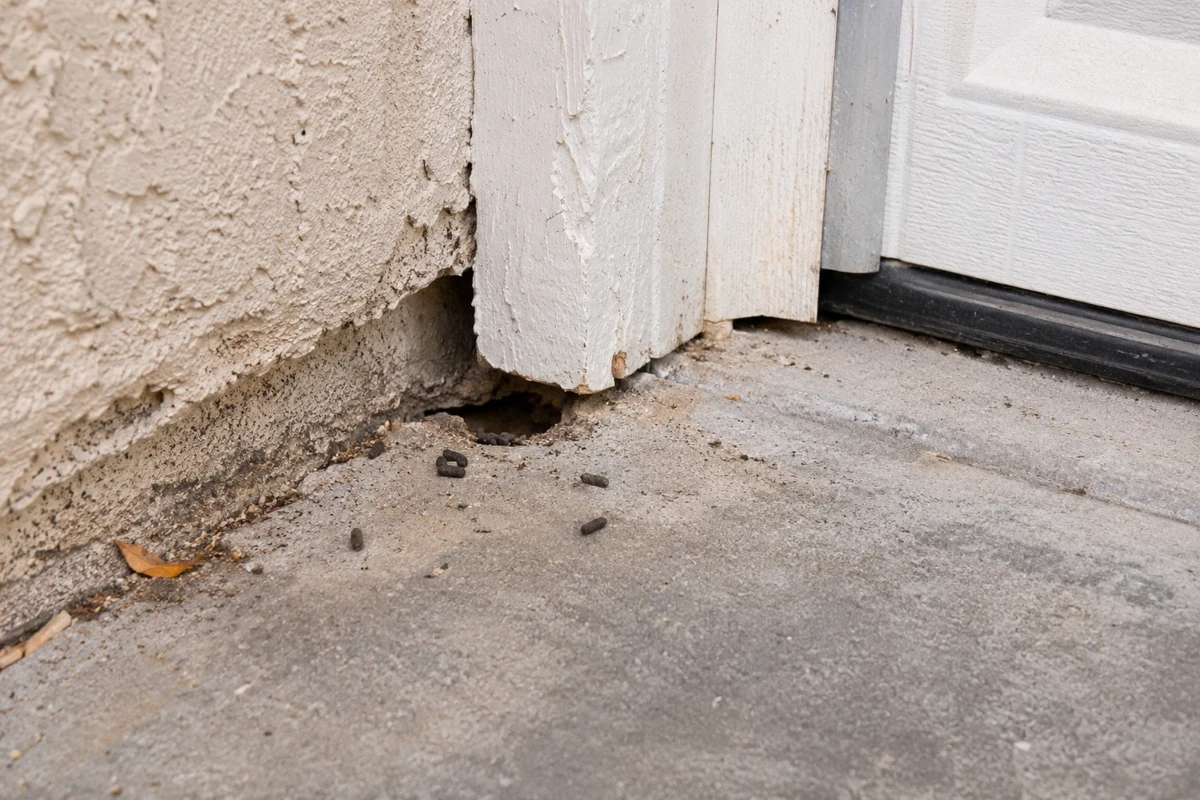
Rodents can enter Los Angeles homes through surprisingly small gaps around garages, roofs, and utility lines. Learn the signs to watch for and how to respond. Read more practical guidance in our Los Angeles pest control blog.
Why rodent activity can go unnoticed
Rats and mice often travel through attics, wall voids, garages, and storage areas long before anyone sees an animal. In Los Angeles, mild weather and accessible outdoor food sources can support rodent activity throughout much of the year. A quiet house during the day does not rule out movement after dark.
In older bungalows, duplexes, hillside properties, and newer developments alike, the important question is not simply whether a rat or mouse has been seen. It is whether the building offers a repeatable route between outdoor habitat and protected indoor space. Roof-to-wall junctions, gaps at garage corners, and openings around air-conditioning lines deserve particular attention. Fruit trees, unsecured trash, and food left for pets can encourage animals to investigate the property, even when the interior is kept clean.
An inspection should distinguish an isolated visitor from sustained activity. Fresh droppings, repeated tracks in dust, and newly disturbed insulation are more informative when documented over several days. Take photographs from a safe distance, note where evidence appears, and avoid reaching into concealed spaces without suitable precautions. Roof rats may use elevated routes such as branches and utility lines, while other rodents may travel closer to the ground. Those patterns help prioritize inspection areas but do not replace identification.
A reliable inspection also considers seasonal changes and the property's immediate surroundings. For example, tree canopies touching a roof, exposed pet food on a patio, and gaps around older garage doors may create several overlapping access routes. Documenting these conditions helps prioritize repairs and makes it easier to distinguish fresh evidence from older damage. The Centers for Disease Control and Prevention offers useful public-health context on rodents and the importance of reducing access to food, water, and shelter.
Droppings, gnawing, and nesting clues
Small droppings near pantry shelves, behind appliances, or beside garage walls are a common warning sign. You may also notice chewed packaging, damaged insulation, shredded paper, or marks around utility openings. Avoid sweeping or vacuuming dry droppings because this can stir contaminated dust into the air.
Different clues point to different levels of urgency. Fresh-looking droppings along a repeated route, gnaw marks on recently stored goods, and activity recorded over several nights suggest an ongoing problem. A single old dropping found during renovation is less conclusive. Keep a dated record of where evidence appears and avoid handling suspected nesting material without appropriate precautions. The Centers for Disease Control and Prevention provides detailed guidance on cleaning areas affected by rodents.
Rodent contamination calls for careful handling. Do not touch droppings with bare hands or disturb nesting materials while they are dry. Follow current cleanup guidance from the Centers for Disease Control and Prevention and consider professional remediation when contamination is extensive, located inside ventilation systems, or difficult to access. Gnaw marks on electrical cables also warrant attention from a qualified electrician because pest control alone does not resolve damaged wiring. A useful service report should describe the evidence found rather than assume that every stain or noise came from rodents.
For further public-health guidance on reducing rodent exposure, see guidance from Centers for Disease Control and Prevention.
If you discover suspected contamination, keep children and pets away from the area until it can be assessed and cleaned appropriately. The correct cleanup method depends on the material involved, the size of the affected space, and whether ventilation or insulation has been contaminated. Do not assume that an ordinary household vacuum is suitable for droppings or nesting debris. Review the Centers for Disease Control and Prevention recommendations before attempting limited cleanup, and seek specialized assistance for extensive contamination.
Sounds and smells worth investigating
Scratching in ceilings at night, repeated movement behind drywall, or an unexplained musty odor may indicate nesting activity. These clues do not identify the species by themselves. A thorough inspection should establish where rodents are traveling, how they entered, and whether the activity is current.
Rodents can damage wiring, insulation, flexible ductwork, and stored belongings, so an attic inspection should look beyond the animal itself. In a kitchen, check under the sink and behind appliances without moving heavy equipment unsafely. In garages, inspect boxes near walls and the bottoms of exterior doors. Photographs of droppings, damaged packaging, or entry openings can help a professional assess patterns without requiring you to disturb the area.
Noise can travel through framing, ducts, and ceiling cavities, so the loudest location is not necessarily the nest. Compare observations across several evenings, including the time and approximate area of movement. Inspectors may use exterior surveys, accessible attic checks, and monitoring devices to establish a pattern. Odors can also have non-pest causes, including moisture or plumbing issues. Accurate diagnosis prevents unnecessary treatment and helps owners address any separate building maintenance concerns.
Professional assessment is especially valuable when noises recur despite repairs, when multiple entry points are suspected, or when evidence appears in inaccessible roof and wall cavities. Ask the inspector to explain which findings indicate active movement and which are historical. A written plan should distinguish immediate control, permanent exclusion, sanitation, and follow-up verification. You can review related homeowner guidance in our pest control blog before discussing a site-specific inspection.
How to reduce entry opportunities
Check weatherstripping, garage door seals, pipe penetrations, roof edges, and foundation vents. Store pet food and birdseed in tightly sealed containers, clean outdoor eating areas, and remove clutter close to exterior walls. Exclusion materials must suit the opening and building construction; sealing a hole before checking for trapped animals can create new problems.
A durable prevention plan combines three elements: reducing food and shelter, closing suitable entry points, and verifying that activity has stopped. Dense vegetation against the house, overflowing outdoor bins, and cluttered storage can make the perimeter difficult to inspect. Repairs should use materials appropriate to the building and should not block required ventilation. It is also important to avoid sealing an occupied cavity without a plan for removing animals already inside.
Exclusion should be planned as a sequence: identify active routes, manage any animals already inside, close suitable openings, and monitor for new activity. Inspect door sweeps, roofline penetrations, attic vents, crawlspace access, and utility entries without compromising ventilation or fire safety. Remove accessible food sources and keep vegetation from creating easy bridges to the roof. For more practical prevention topics, browse our pest control blog. Regular checks after repairs are valuable because new gaps can develop as building materials shift.
When professional help makes sense
Repeated droppings, inaccessible attic activity, chewed wiring, or continued sightings after basic prevention warrant a professional assessment. Ask for an inspection that includes entry-point identification, an appropriate control plan, and follow-up monitoring. Rodent management works best when sanitation and exclusion accompany any trapping program.
If evidence continues, request an assessment that explains the suspected species, the locations inspected, proposed exclusion work, and how results will be checked. In attached housing, a neighboring garage or shared wall may require coordination with property management. For help discussing rodent signs in your Los Angeles property, call (888) 605-9733 or email info@pclosangeles.com. You can also explore additional prevention topics on our pest control blog.
Ask whether the proposed service includes an entry-point diagram, a written explanation of control methods, and a return visit to confirm progress. Trapping or other control measures without exclusion may leave the property vulnerable to reinfestation. If you need help evaluating evidence at your Los Angeles property, call (888) 605-9733 or email info@pclosangeles.com to discuss an inspection. The goal is to identify the underlying access and attractants, not merely respond to the most recent sighting.
Explore more prevention topics in our pest control blog. If you would like to discuss a possible inspection, contact PC Los Angeles at (888) 605-9733.
Discuss Your Pest Concern With PC Los Angeles
For questions about pest activity at your home or property, call (888) 605-9733 or email info@pclosangeles.com. You can also explore our Los Angeles pest control articles for additional prevention guidance.
If pest activity continues or you are uncertain what you have found, seek an inspection and a pest-specific management plan. Prevention and appropriate follow-up are often as important as the initial response.