 Trusted Pest Experts
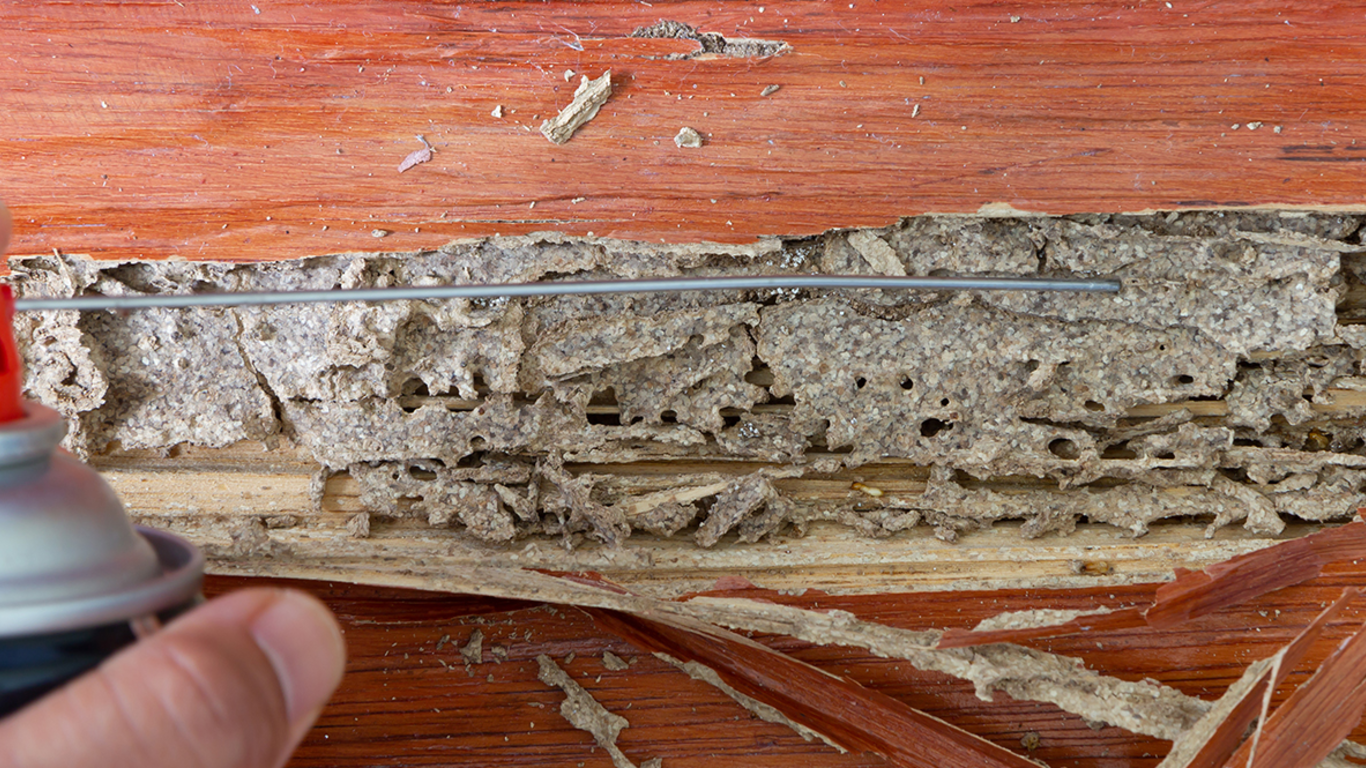
Learn how Los Angeles homeowners can recognize termite warning signs, reduce moisture and wood contact, and understand when a professional inspection is needed. Read more practical guidance in our Los Angeles pest control blog.
Understanding Termite Damage and Early Warning Signs
Termites are one of the most destructive pests for homeowners, capable of causing significant structural damage if left unchecked. Understanding termite behavior and implementing preventive measures is essential to protect your home and investment.
Early detection is key. Homeowners should regularly inspect wooden structures, foundations, and areas with moisture for signs of termite activity. Look for mud tubes, discarded wings, and hollow-sounding wood.
Preventing termite damage requires a combination of monitoring, moisture control, and strategic barriers to help protect wooden building components and reduce the risk of an undetected infestation.
Termite activity can remain concealed inside wood, wall cavities, and other difficult-to-access areas. Visible damage may not reveal the full extent of an infestation, which is why professional identification and inspection are important when warning signs appear.
Top Tips to Prevent Termite Damage
Reduce Moisture: Repair leaks in roofs, pipes, and faucets, and ensure proper drainage around your foundation. Persistent moisture can contribute to conditions favorable to some termite species and can also damage building materials.
Remove Wood-to-Soil Contact: Keep firewood, lumber, and debris away from the foundation of your home. Avoid storing untreated wood directly against exterior walls or in damp areas where termite activity may go unnoticed.
Seal Cracks and Crevices: Inspect the foundation and walls, sealing suitable gaps or openings that may provide access to pests. Sealing alone does not eliminate termite colonies or replace an appropriate termite management plan.
Use Treated Wood: For construction or renovations, consider termite-resistant or pressure-treated wood where suitable for the project and required by applicable building standards. Appropriate material selection can reduce vulnerability but does not make a property completely termite-proof.
Maintain Landscaping: Avoid placing mulch directly against the home and keep plants trimmed to improve visibility around the foundation. Check irrigation systems and landscaping features that may leave building materials continuously damp.
Regular Inspections: Schedule professional termite inspections according to the property condition, previous termite history, and local risk. Ask the inspector what areas will be examined and whether a formal wood-destroying organism report is included.
Safe Termite Control Measures
If termites are detected, it is important to act promptly using control methods suited to the identified termite species, the location of activity, and the building construction. Possible professional approaches include localized treatments, baiting systems, and other registered termite control products.
Termite baiting systems may be installed around appropriate locations as part of a professionally designed program. Their placement, monitoring, and maintenance should follow the applicable product instructions.
Localized termite treatments may be appropriate in certain situations, but the suitability of a treatment depends on the termite species and extent of infestation. Do not assume that natural deterrents or products advertised as non-toxic can eliminate an established colony.
Engage professional pest control services for persistent or extensive infestations. A qualified termite professional can explain the evidence found, recommended treatment, limitations, and follow-up requirements.
Where wood appears structurally damaged, a qualified building professional may also be needed to assess repairs. Pest treatment and structural repair address different parts of the problem.
Protecting Your Los Angeles Home from Future Termite Damage
By combining preventive strategies, vigilant monitoring, and appropriate treatment options, homeowners can reduce their risk of termite damage. Consistent maintenance and early attention to warning signs are important parts of protecting a property.
Los Angeles homeowners should pay attention to moisture problems, exposed wood, damaged exterior trim, and areas where building materials meet soil or landscaping. Because termite species and property conditions vary, prevention and inspection recommendations should be tailored to the building.
If you notice suspected termite damage, avoid disturbing the evidence unnecessarily. Photograph the affected area and arrange an appropriate inspection before making treatment decisions.
For more information about protecting your property, explore our pest control blog. To discuss suspected termite activity or a possible inspection in Los Angeles, contact PC Los Angeles at (888) 605-9733 or info@pclosangeles.com.
Discuss Your Pest Concern With PC Los Angeles
For questions about pest activity at your home or property, call (888) 605-9733 or email info@pclosangeles.com. You can also explore our Los Angeles pest control articles for additional prevention guidance.
If pest activity continues or you are uncertain what you have found, seek an inspection and a pest-specific management plan. Prevention and appropriate follow-up are often as important as the initial response.