 Trusted Pest Experts
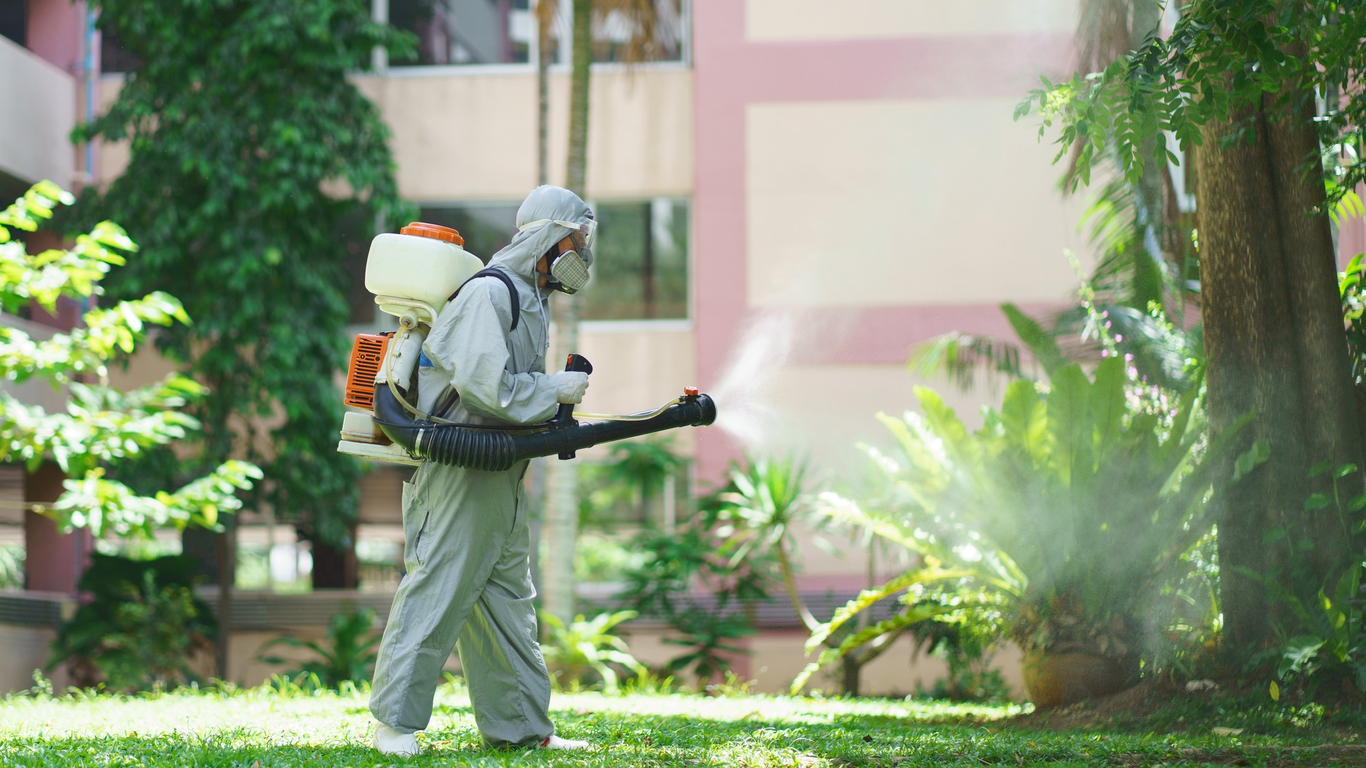
Explore eco-conscious pest management practices for Los Angeles homes, including prevention, habitat management, physical barriers, and targeted treatment. Read more practical guidance in our Los Angeles pest control blog.
Understanding Eco-Friendly Pest Control
Keeping your home free of pests does not have to rely on harsh chemicals. Eco-friendly pest control solutions provide ways to protect your living environment while minimizing unnecessary exposure and environmental impact.
By understanding pest behavior and adopting natural preventive methods, homeowners can reduce infestations without relying exclusively on chemical treatments. These strategies combine cleanliness, habitat management, and deterrents to create a healthier home.
Eco-friendly pest control prioritizes safety and sustainability while managing unwanted pests. The objective is to select effective methods that are appropriate for the specific pest and property conditions.
For Los Angeles homeowners, this approach can be especially useful when managing pest activity around kitchens, gardens, patios, and other areas regularly used by family members and pets. Prevention and careful monitoring help determine whether additional treatment is necessary.
Key Eco-Friendly Pest Control Methods
Natural Repellents: Some homeowners use essential oils such as peppermint, eucalyptus, or citronella to discourage certain pests. Effectiveness varies by pest and formulation, and essential oils may pose risks to pets or people when misused. They should not be considered a substitute for proven infestation control.
Traps and Barriers: Physical traps and properly installed barriers can help monitor or control pests and prevent rodents and insects from entering a home. The correct device depends on the pest species and where activity occurs.
Regular Cleaning: Keep kitchens, pantries, and living areas clean to eliminate accessible food sources. Store dry goods securely, remove spills, and maintain waste containers to reduce conditions that attract pests.
Habitat Management: Remove standing water, declutter spaces, and maintain outdoor landscaping to reduce potential breeding grounds and shelter for mosquitoes, rodents, and insects.
Companion Animals and Natural Predators: The original article discusses encouraging natural predators such as cats and certain bird species where safe and practical. However, companion animals should not be relied upon as a primary pest control method, and protecting pets and local wildlife should remain a priority.
Safe Practices for Every Home
Implementing eco-friendly pest control solutions requires consistency and awareness. Homeowners should monitor for early signs of pest activity and apply preventive measures before infestations escalate. Products and deterrents should be selected carefully and used according to their instructions.
Inspect and seal cracks, gaps, and entry points to block pest access. Pay particular attention to accessible openings around doors, windows, plumbing, and utility penetrations.
Use natural repellents only when suitable for the target pest and application area. Avoid applying unverified mixtures to food-contact surfaces, bedding, or locations accessible to pets.
Maintain clean and dry indoor and outdoor spaces to reduce breeding and feeding opportunities. Repair leaks, remove standing water, and keep landscaping from creating unnecessary shelter against the building.
Engage professional pest control services for persistent or high-risk infestations. A professional can identify the pest and explain whether monitoring, exclusion, sanitation, or targeted treatment is appropriate.
Educate household members about safe pest management practices, including proper food storage, waste disposal, moisture control, and the importance of following product labels.
Long-Term Benefits of Eco-Conscious Pest Management
By embracing eco-conscious pest management, homeowners can reduce conditions that encourage infestations while taking a more considered approach to pesticide use. These strategies can support effective long-term control when matched to the pest and property.
An integrated pest management approach emphasizes identifying the pest, understanding why it is present, correcting contributing conditions, and using targeted control methods when necessary. This approach is generally more useful than applying products repeatedly without investigating the source of the problem.
To learn more about household pest prevention, explore our pest control blog. Los Angeles residents can also contact PC Los Angeles at (888) 605-9733 or info@pclosangeles.com to discuss recurring pest activity.
Discuss Your Pest Concern With PC Los Angeles
For questions about pest activity at your home or property, call (888) 605-9733 or email info@pclosangeles.com. You can also explore our Los Angeles pest control articles for additional prevention guidance.
If pest activity continues or you are uncertain what you have found, seek an inspection and a pest-specific management plan. Prevention and appropriate follow-up are often as important as the initial response.