 Trusted Pest Experts
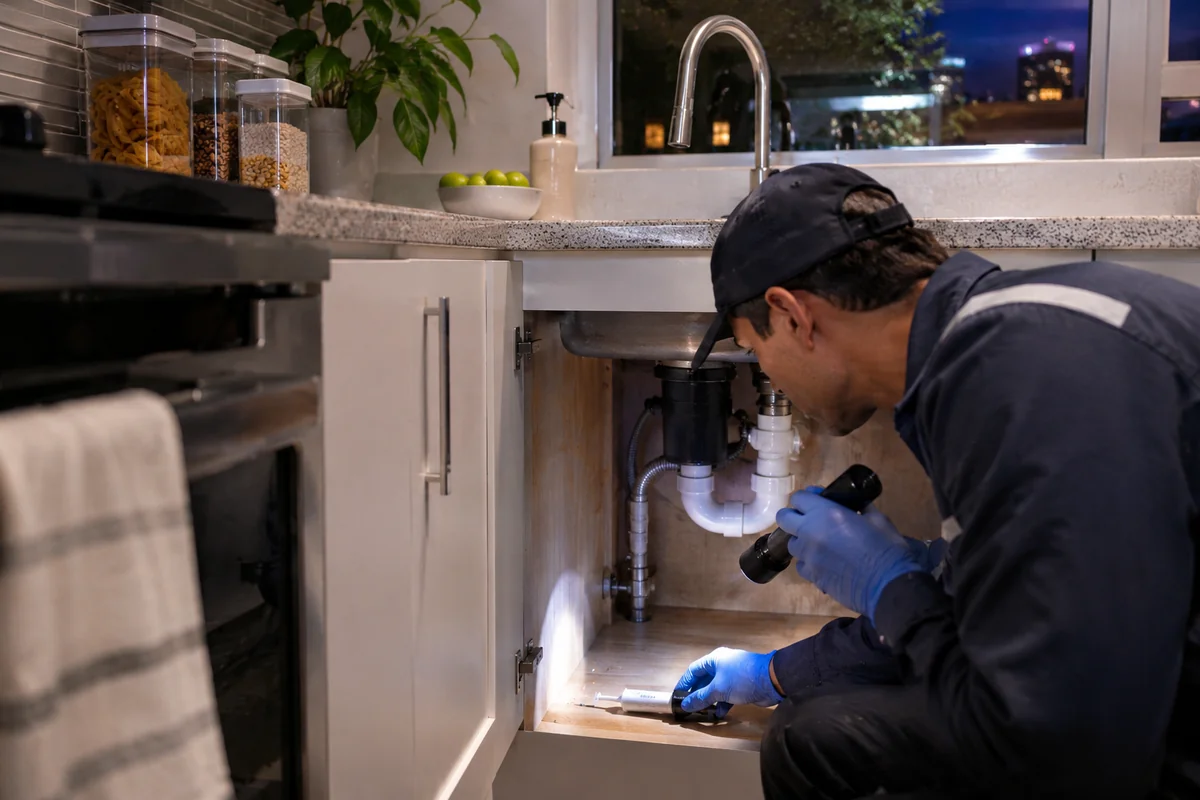
Kitchen moisture, food residues, and hidden cracks can attract cockroaches. Learn practical ways to reduce conditions that support infestations in Los Angeles. Read more practical guidance in our Los Angeles pest control blog.
Why kitchens attract cockroaches
Cockroaches seek food, moisture, shelter, and warmth. The spaces behind refrigerators, beneath sinks, and around cabinet hinges can provide several of these conditions at once. Apartment residents may also encounter movement between neighboring units through shared plumbing and utility openings.
A kitchen can appear spotless while still offering insects a thin film of grease behind a range, condensation near a refrigerator motor, or a damp void beneath cabinetry. These overlooked microhabitats matter because cockroaches prefer narrow, sheltered spaces. In Los Angeles apartments, restaurants-adjacent buildings, and single-family homes, the source may be within the unit or connected to plumbing chases and neighboring spaces.
German cockroaches often concentrate near indoor food and water sources, while larger outdoor-associated species may enter through doors, drains, or other openings. The distinction matters because a treatment designed for an occasional outdoor visitor is not the same as a plan for an established indoor population. Check under the refrigerator motor compartment, around dishwasher plumbing, and inside cabinet corners where warmth and moisture persist. A flashlight inspection after dark can reveal activity missed during daytime cleaning.
Long-term control starts by identifying where cockroaches can reproduce, not simply where one was seen. Grease accumulation behind cooking equipment, leaking supply lines, and small openings around wall penetrations can sustain activity even when countertops are cleaned daily. In multi-unit properties, coordination with building management may be necessary because insects can travel through connected service areas. For an overview of integrated pest management principles, consult the U.S. Environmental Protection Agency.
Look beyond the visible insect
Seeing one cockroach does not tell you the size of an infestation. Inspect for small pepper-like droppings, shed skins, egg cases, and activity after dark. Different cockroach species behave differently, so correct identification matters when deciding which areas need attention.
Identification helps avoid ineffective treatment. Small indoor-breeding species often require careful inspection of cabinet seams and appliances, while larger outdoor-associated cockroaches may enter through drains, doors, or utility openings. Note the size, color, and location of sightings, and use monitoring traps only where they can be placed safely. A cluster of catches behind the refrigerator suggests a different inspection priority than an occasional insect at an exterior doorway.
Dark specks on cabinet hinges, recurring insects near appliances, and egg cases can help locate a harborage, but similar-looking debris may have other explanations. Use monitoring traps in labeled, safe positions to learn where insects are moving; record dates and locations so the pattern can be compared over time. In an apartment building, observations from adjoining kitchens or shared service spaces may be relevant. Do not move infested small appliances between rooms without considering the risk of transferring insects.
For pesticide selection and label precautions, consult the U.S. Environmental Protection Agency.
Monitoring provides a useful baseline before and after treatment. Place traps only in locations permitted by their instructions, record the date and position, and compare captures over time rather than relying on a single sighting. A qualified technician can use the pattern to target hidden harborages and determine whether moisture or building defects are contributing. Avoid applying multiple consumer pesticides in the same area, since inappropriate use can create exposure concerns and interfere with a coordinated management plan. The U.S. Environmental Protection Agency explains why prevention and careful product selection matter.
Remove food and moisture access
Wipe grease from cooking surfaces, clean crumbs from appliance gaps, empty trash regularly, and avoid leaving pet food out overnight. Repair dripping faucets and leaking pipes promptly. Drying sink areas before bed and keeping pantry goods sealed can reduce the resources pests depend on.
Build a nightly routine around access to food and water rather than relying on strong cleaning chemicals. Wash dishes, wipe under small appliances, empty food waste, and dry wet surfaces. Inspect the refrigerator drip tray if accessible, address condensation, and check for slow leaks under the sink. Keep dry goods in sealed containers and avoid stacking cardboard near warm equipment, where pests can remain hidden.
Kitchen prevention is most effective when it becomes a routine rather than a one-time deep clean. Pull out movable appliances when safe, remove grease beneath cooking equipment, and check the condition of sink seals and plumbing. Keep food in closed containers, avoid cardboard buildup in pantry spaces, and address condensation or leaks. Even very small crumbs can sustain pests when a nearby water source remains available. These practices also make it easier to assess whether any targeted treatment is working.
For a persistent kitchen infestation, request a clear explanation of the species identified, the areas inspected, preparation requirements, and the follow-up schedule. Treatments may need to address several life stages, so immediate disappearance of visible insects is not the only measure of success. Continued sanitation, moisture correction, and monitoring remain important after service. For additional Los Angeles household pest topics, visit our pest control blog or contact the team through info@pclosangeles.com.
Seal gaps without disturbing hidden wiring
Pay attention to gaps around plumbing penetrations, loose baseboards, and damaged cabinet joints. Use building-appropriate sealants where safe, but avoid covering electrical components or ventilation openings. In multi-unit housing, coordinated building maintenance is often more effective than treating one apartment alone.
Sealing is most useful after identifying where insects are moving. Small gaps around water lines and cabinet backs may provide pathways, but a professional should assess complicated penetrations and shared building infrastructure. In multi-unit properties, residents should report persistent activity promptly so maintenance and pest management can be coordinated. Treating only one kitchen may not resolve movement through common walls or utility spaces.
For rental units, notify the responsible property manager about gaps around common plumbing routes and document maintenance requests. Building-wide coordination can matter when cockroaches move through shared walls. Never seal an opening that must remain accessible for electrical, gas, or ventilation purposes. Consult the U.S. Environmental Protection Agency for general pesticide safety and integrated pest management principles before using any product. More household prevention ideas are available in our pest control blog.
Choose targeted control over indiscriminate spraying
Sticky monitoring traps can help identify where activity is concentrated. If treatment is needed, use only products labeled for the target pest and location, following every direction and precaution. Avoid mixing pesticides or spraying food-contact surfaces. Persistent activity should be evaluated by a qualified pest professional.
An integrated pest management approach uses inspection, sanitation, exclusion, monitoring, and carefully selected treatment when warranted. Avoid foggers or broad spraying as a substitute for locating harborages, and always follow the product label. The U.S. Environmental Protection Agency explains principles of reducing pest problems while limiting unnecessary pesticide exposure. To discuss repeated kitchen sightings, contact (888) 605-9733 or info@pclosangeles.com; see our pest control blog for more home prevention advice.
Effective management generally combines identification, sanitation, moisture correction, monitoring, and carefully selected treatments where appropriate. Repeated broad spraying can contaminate surfaces and may not reach the areas where cockroaches shelter. Ask a professional which species was identified, where activity was observed, and how success will be checked. For help with persistent kitchen activity in Los Angeles, call (888) 605-9733 or write to info@pclosangeles.com to discuss the next steps.
Find related household prevention guidance in our pest control blog. If you would like to discuss a possible inspection, contact PC Los Angeles at (888) 605-9733.
Discuss Your Pest Concern With PC Los Angeles
For questions about pest activity at your home or property, call (888) 605-9733 or email info@pclosangeles.com. You can also explore our Los Angeles pest control articles for additional prevention guidance.
If pest activity continues or you are uncertain what you have found, seek an inspection and a pest-specific management plan. Prevention and appropriate follow-up are often as important as the initial response.